
Stage LED Screen Products Recommended


LED Display Price Calculator
Just fill the sizes, and get your LED display budget right now!
LED Screen Stage Design vs Traditional Stage Background
LED screen stage design provides higher flexibility and visual effects. Compared with traditional stage background, it has significant advantages in dynamic content presentation and on-site interactivity. The following is a detailed comparison between LED screen stage backdrop and traditional stage background:

| LED Screen Stage Design | Traditional Stage Backdrop | |
| Flexibility | High, can adjust size and shape as needed, support dynamic content changes | Fewer changes due to space and design constraints |
| Visual effects | Provide high-definition, rich dynamic visual effects, suitable for complex visual performances | Static images, usually need additional props or scenery to supplement |
| Installation & disassembly | Quick and convenient installation, suitable for multiple scene changes | The installation and disassembly process is cumbersome and requires more personnel and time |
| Color performance | Rich, full, and able to present a wide color gamut | Color performance is limited by materials, and it is difficult to achieve the brightness and vividness of LED |
| Scene changes & interactivity | Can change in real time and interact with the audience to enhance immersion | Slow changes and poor interactivity |
| Cost | High initial investment, but long-term use reduces costs | Low initial investment, but high maintenance and replacement costs |
| Maintenance | Requires regular inspection and maintenance, but easy to replace modules | Requires regular inspection, complex maintenance, and difficult to repair damage |
Common Applications of Stage LED Screens
The adaptability of stage LED displays has established them as a crucial element in contemporary stage design. They are extensively employed in diverse performances and events to enhance visual effects and audience engagement significantly.
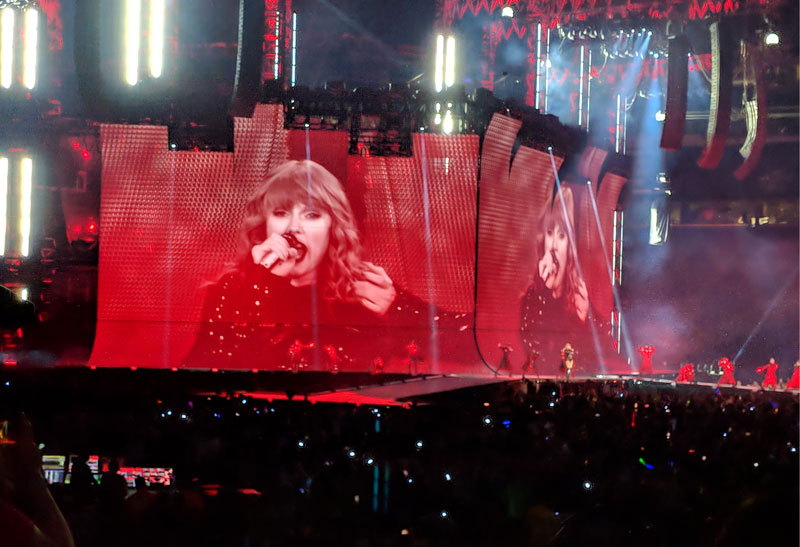
Application 1. LED Screen for Concert Stage
LED screens display performance content, real-time images, lyrics, and dynamic effects. Their high brightness and vivid colors create an immersive atmosphere, boosting audience engagement.

Application 2. LED Screen for Theater Stage Backdrop
In theater and live performances, LED screen stage backdrop serves as dynamic backdrops, adapting to the narrative and displaying varied visual effects. This flexibility enhances artistic expression and scene transitions.

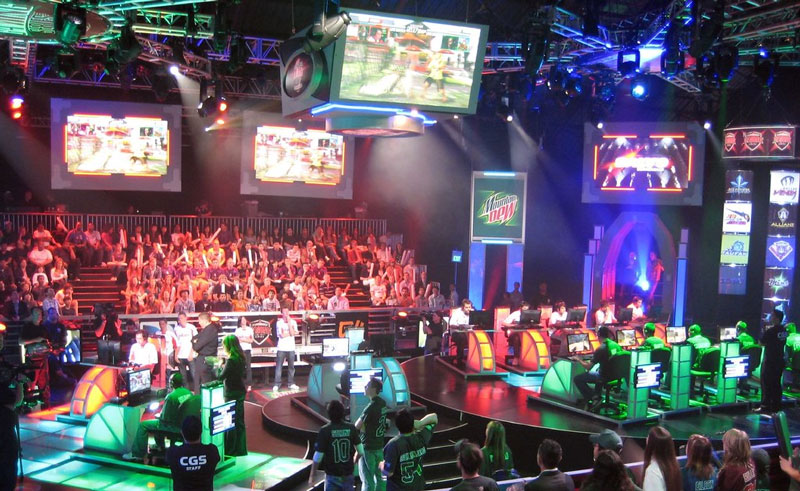
Application 3. Television Programs & Live Events Background
Stage background LED screen presents real-time images, game stats, subtitles, and other information in variety shows, news broadcasts, and sports events. This improves interactivity and ensures quick access to relevant content.
Application 4. LED Screen Wedding Stage Backdrop
At weddings, stage LED screen backdrop shows videos of the couple, their love story, and real-time images. They also display dynamic backgrounds, romantic patterns, and heartfelt messages, creating a memorable atmosphere and enhancing guest participation.

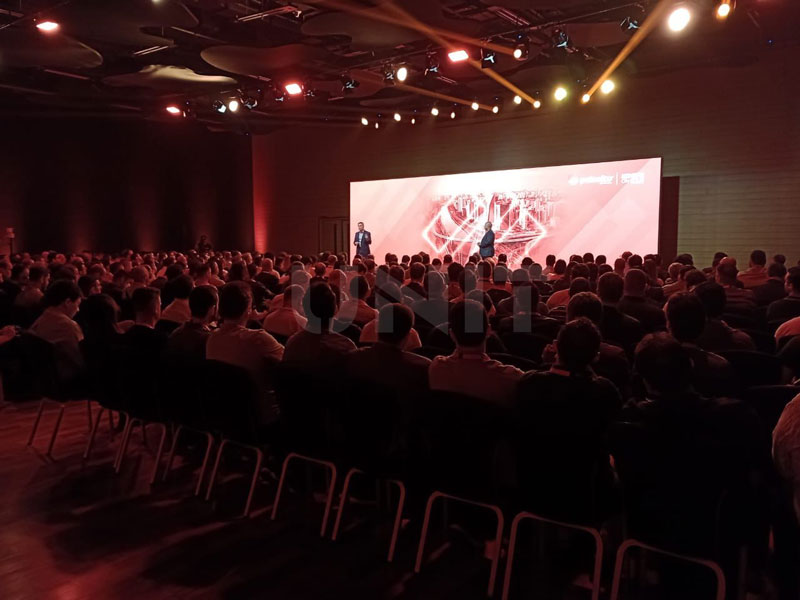
Application 5. Conferences and Exhibitions LED Stage Background
For conferences and exhibitions, LED stage screens display key information like conference materials, product introductions, and promotions. High-definition displays ensure clear visibility from a distance, capturing and maintaining audience attention.

Get A Quote
Contact us for the latest stage LED display solution, quotation or any information you want!
Some Customer Cases


Stage LED Screen - Everything You Need to Know [Full Guide]
Stage LED screen is essential in modern stage background design, optimizing visual impacts to craft an engaging and immersive environment for the viewers. It has transformed static backgrounds into dynamic displays, significantly impacting live events theater performances and concerts. This development enhances the creative potential and adaptability of stage designers, leading to the production of more dynamic and diverse visual effects.
This post focus on the functions, advantages, and common challenges of LED screen for stage in depth, and provide corresponding solutions to help readers better understand how to choose and use big LED screen to create perfect stage effects.
1. What is Stage LED Screen?
As suggested by its name, the stage LED display is an LED screen specifically designed for stage backgrounds. Its primary advantage lies in delivering striking visual effects by seamlessly integrating vibrant imagery with music, offering audiences a novel and immersive visual experience.
LED screen stage backdrop offers superior brightness, sharper image quality, and greater adaptability than conventional projectors or curtain backdrops. They maintain consistent image performance across various lighting and environmental conditions, ensuring reliable and high-quality visuals.
Composition of Stage LED Screen
Stage LED screen consists of several essential components that ensure the proper functioning of large-scale display systems:
① LED Module: This is the fundamental unit of the screen, responsible for emitting light and displaying images or videos. Each module comprises multiple LEDs that control brightness and color, thereby determining image quality. Higher pixel density results in finer and more detailed display effects.

② LED Controller: The controller receives and processes external signals, transmitting data to the LED modules to ensure precise synchronization of image content. It supports various input sources, including HDMI, DVI, and SDI, ensuring compatibility with different devices and systems. For more information about LED controllers, please continue reading the Clorlight LED controller guide.
③ Power Supply: The power supply provides the necessary electrical power for the system, ensuring the smooth operation of both the LED modules and the controller. In big LED screens, a stable power supply is critical. Redundant design features allow for automatic switching in case of a fault, preventing performance interruptions.
These three components work synergistically to ensure the efficient and stable operation of LED stage screen , enabling them to meet diverse and complex performance requirements.
LED Screen Stage Design
In general, a LED screen stage design comprises three key components: the main screen, sub-screens, and extended screens.

① Main Screen: This screen displays live performance visuals and high-quality replays. Typically, a high-definition rectangular screen with a dot pitch of P6 or less is chosen. Larger screen areas enhance the visual impact and overall effect.
② Sub-Screens: Positioned on either side of the main screen, these often feature uniquely designed LED screens, such as S-shaped curved displays, to add creativity and depth to the stage setup.
③ Extended Screens: Commonly used in large venues like concerts, these screens ensure that even audience members in the back rows can see every moment on stage.
The integration of advanced display technology with innovative design elements allows stage LED screens to achieve boundless creative and dynamic visual effects. This combination not only enhances the visual experience but also supports a wide range of performance requirements.
2. LED Stage Screen Types
According to the use environment and installation method, stage LED screens can be divided into the following categories:
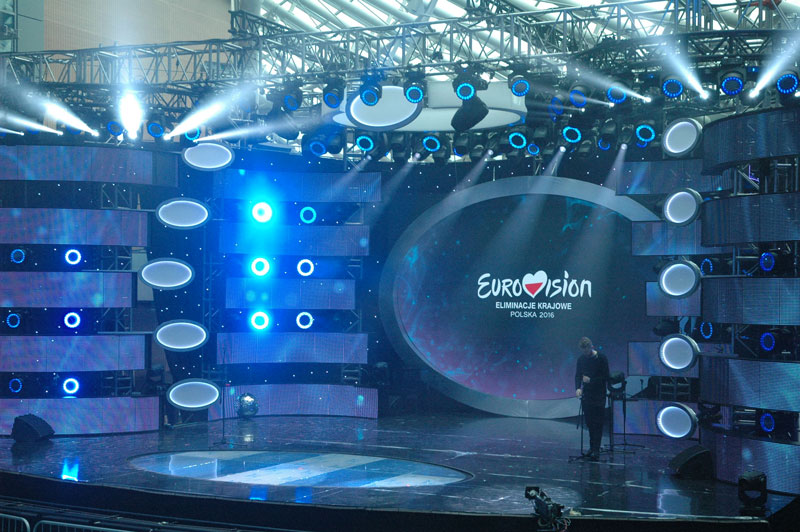
① Indoor & outdoor stage LED screen
Indoor stage LED screen: Mainly used in indoor scenes such as concerts, conferences, and theatrical performances. They are characterized by high resolution, fine picture quality, and the ability to present better grayscale performance at low brightness while avoiding light pollution. Since waterproof performance does not need to be considered in indoor environments, these screens are usually lightweight.

Outdoor LED stage screen: Commonly seen in large concerts, outdoor events, or sports events. Outdoor LED screen needs to have high brightness to ensure clear visibility under strong light conditions, and have waterproof and dustproof properties to adapt to various weather conditions. Their structure is usually more sturdy and can cope with the challenges of outdoor environments.
② Fixed & rental LED stage screen
Fixed installation stage LED screen: Usually used in long-term use scenarios, such as permanent stages or theaters. This type of screen is not easily moved after installation, focuses on stability and durability, and is suitable for environments that require continuous display.

LED stage screen rental: Designed for temporary events, widely used in short-term scenarios such as concerts, exhibitions, and press conferences. Its characteristics are easy installation and disassembly, modular design facilitates transportation and quick splicing, and can flexibly respond to different stage needs.

By choosing the right type of stage background LED screen, you can better meet the stage needs of different scenes and improve the visual effects and audience experience of the event.
3. Key Features of LED Screen for Stage
Big LED screen for stage possesses a range of distinctive features and advantages that make them an essential component in modern stage design.
Feature 1. High Brightness and Contrast
Stage LED screen delivers exceptional brightness and contrast, ensuring clear visibility of images and video content even in well-lit environments. Outdoor LED screen for stage is specifically engineered to withstand direct sunlight, featuring ultra-high brightness and superior light resistance.
Feature 2. High-Definition Resolution
The high resolution of LED displays guarantees that the finest details of images and videos are sharply visible, making them ideal for stages that demand intricate visual effects. The dense pixel arrangement of LED modules provides richer colors and finer details, enhancing the overall visual impact.

Feature 3. Flexible Size and Shape
LED stage screens offer customizable sizes and shapes, allowing for flexible configuration based on the specific requirements of each stage setup. Whether it’s a large main screen or smaller supplementary screens, they can accommodate various design needs.
Feature 4. High Refresh Rate and Low Latency
The high refresh rate ensures smooth and fluid dynamic images without any stuttering, which is crucial for video and animation playback during performances. The low latency feature synchronizes real-time visuals with live action, eliminating any delays.
Feature 5. Multi-window Display
Big stage background LED screen supports multi-window display, enabling simultaneous presentation of multiple video sources. The position and size of each window can be easily adjusted, offering greater creative flexibility for stage designers.

These key features not only enhance the functional capabilities of stage LED screen but also deliver outstanding visual effects, adding expressiveness and impact to a wide range of live performances and events.
4. How to Choose the Right LED Screen for Stage?
Choosing the right stage LED display requires comprehensive consideration of multiple factors to ensure that it meets the needs of specific scenarios and provides the best results. The following are some aspects that need to be focused on when choosing a stage LED screen:
● Display effect requirements: Choose the appropriate brightness and resolution according to the nature of the activity. Large-scale performances require high brightness and small pixel pitch (P value) to ensure clear visibility.
● Venue size and installation method: The screen size should be selected according to the stage area, and the installation method needs to adapt to the characteristics of the venue to ensure stability.
Screen type and purpose: Choose the appropriate screen type according to the needs of the activity. LED screen rental for stage is suitable for temporary activities, fixed stage LED screen is suitable for long-term use, and transparent screens are ideal for special effects.

Budget and cost: Choose a cost-effective screen according to the budget, while considering long-term costs such as post-maintenance and energy consumption.
Brand and after-sales service: Choose reliable stage background LED screen factories to ensure stable quality and provide better after-sales support.
5. Stage LED Screen Price
The stage LED screen price depends on various factors. Consider needs, budget, and desired effects. Key factors include cost, display quality, installation, and maintenance requirements.
Considerations
① Type and Specification
LED stage screen prices vary by type, model, and specifications. Rental, fixed, and transparent screens differ significantly. Smaller pixel pitches offer higher resolution but increase costs.
② Stage LED Screen Size & Installation Method
Stage LED screen size greatly affects price, as larger screens require more modules and processing power. Installation methods (e.g., hanging, ground-mounted) also influence overall costs.

③ Display Effect & Technical Characteristics
Technical parameters like brightness, color reproduction, viewing angle, and refresh rate directly influence the price. High-brightness and wide-viewing-angle screens suitable for outdoor or large venues tend to be more expensive.
④ Brand & Quality
Brand reputation affects pricing. A reliable LED display manufacturer will offer better quality assurance, after-sales service, and technical support, often at a higher price but with better cost performance.
⑤ Other Factors
Consider long-term maintenance and operating costs in addition to hardware expenses.
LED Screen for Stage Price Calculation
To calculate the stage LED screen price, first determine the required screen area, typically measured per square meter. Include additional costs such as installation, transportation, and maintenance.
6. Stage LED Screen for Sale Recommended
MA640 Series
- 640*480mm Size Cabinet
- Frontal Service Design
- Easy to Install & Disassemble
- Magnesium Alloy Cabinet Design
- Ultra-lightweight & Space-saving

MA600 Series
- 16 : 9 Ration with 600*337.5mm Cabinet
- Frontal Service to Easy Install & Disassemble
- 3840HZ High Refresh Rate
- Ultra-lightweight & Ultra-thin
- High-end Indoor LED Display

MY Series
- High Quality Rental LED Display
- 500*500/1000mm Cabinet Design
- Front & Rear Dual Maintenance
- Support Right Angle Installation
- Seamless Display & Excellent Visual Effects

7. Why UNIT LED Displays Are the Best Choice for Your Stage?
UNIT LED screen has become the first choice of many stage designers and event planners due to its excellent performance and stability. Here are several important reasons to choose UNIT LED display for stage background:

① High-quality display effect
UNIT LED screen has high brightness, wide color gamut and high definition, adapting to various lighting conditions, ensuring clear and bright pictures on the stage.
② Flexible design and installation
Supports multiple sizes and modular design, can be flexibly adjusted according to the needs of the stage background, is easy to install, saves time, especially suitable for activities that require frequent construction.
③ Stability and durability
High-quality craftsmanship and materials ensure the stability and durability of the display during long-term use, adapt to different environments, and maintain excellent display effects.
④ Cost-effectiveness
Reasonable price and low maintenance cost make UNIT stage LED screen an ideal choice for those with limited budgets but pursuing high quality, and it is cost-effective for long-term use.
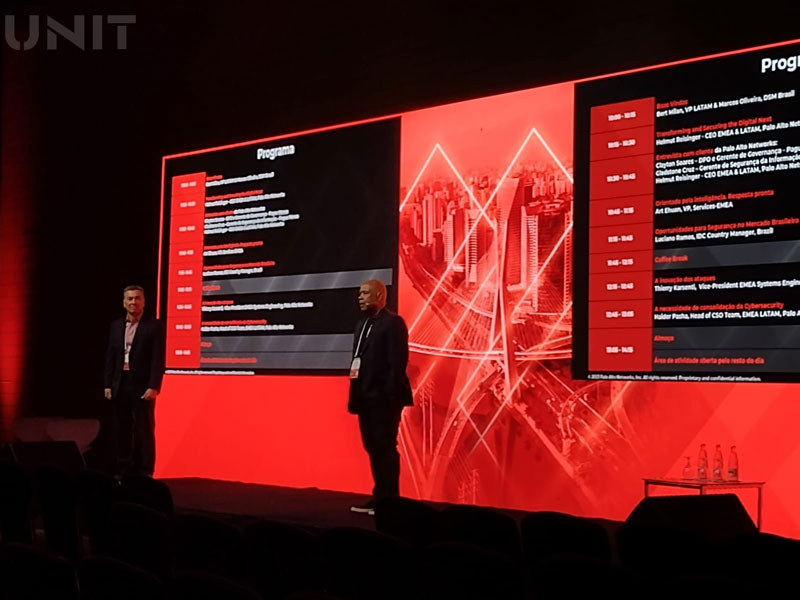
Customer cases


8. Conclusion
Stage LED screen has emerged as a crucial element in contemporary stage backdrop design, thanks to its superior display quality, versatile design, and high cost-effectiveness. Whether in large-scale productions or smaller events, the LED screen enhances visual impact by providing crisp and vivid imagery, significantly elevating the overall aesthetic experience. Choosing a suitable stage background LED screen requires comprehensive consideration of display requirements, site conditions, budget and other factors.
